The People-First Playbook for Scaling a Regional PT Practice


Al Moreau grew up in the world of physical therapy. His father founded Moreau Physical Therapy in 1977, and today Al leads that same network across more than 26 locations in Louisiana and Texas.
Building on a family legacy isn't just about honoring the past. For Al, it means pushing the practice forward while staying rooted in the values that made it matter in the first place.
Al's approach to scaling starts long before a new clinic opens. Rather than hiring for headcount, he identifies clinicians with leadership potential and builds expansion plans around them, training directors in-house, investing heavily in continuing education, and creating career pathways that give ambitious therapists a real reason to stay and grow.
When it comes to acquisitions, Al has a clear rule: he won't buy a job. Moreau PT only pursues deals where an existing, staffed team is already in place and culturally aligned. In rural markets where hiring is already a challenge, acquiring a solo-operator practice and watching the founder walk out the door isn't a growth strategy — it's a staffing crisis waiting to happen.
Recruiting to rural East Texas and North Louisiana is one of Al's most persistent challenges. With Houston just an hour from some of their Texas locations, the competition for talent is constant. And while artificial intelligence holds real promise — Moreau PT is actively piloting AI scribes and compliance tools — the rollout requires as much care as the technology itself.
If you're building a practice and wondering how to grow without losing what makes it special, this episode is your blueprint.
Al Moreau
Owner, Moreau Physical Therapy
Al Moreau is the owner of Moreau Physical Therapy, a multi-specialty rehabilitation network his father founded in 1977 that now spans more than 26 locations across Louisiana and Texas. He leads the organization with a people-first philosophy rooted in the belief that sustainable growth comes from investing in the right people, not just opening new doors. Known for building strong internal leadership pipelines, Al has developed formal programs to grow clinicians into directors and guide the next generation of practice leaders. Under his leadership, Moreau PT has expanded into rural markets across two states while maintaining a close-knit culture built on mentorship, community, and the core value of growing together.
Connect with Al Moreau on LinkedIn
Learn more about Moreau Physical Therapy
Follow Moreau Physical Therapy on Instagram @moreaupt
Sarina Richard
Chief Strategy Officer, Raintree Systems
Sarina Richard has spent twenty years as a Healthcare Technology Executive across the healthcare continuum, from operator to service provider to financier. At Raintree, Sarina oversees corporate strategic planning and leads cross-departmental initiatives to build best-in-class teams, systems, and processes.
Connect with Sarina Richard on LinkedIn
About Raintree
Raintree is the rehabilitation and physical therapy software of choice for enterprise and large therapy provider organizations.
Discover why Raintree is the trusted EMR and practice management platform for the largest and most ambitious rehab therapy organizations in the U.S.
Request a demo of Raintree
Sarina Richard (00:03):
I'm Sarina Richard and you're listening to Therapy Matters presented by Raintree. Therapy Matters explores the ideas and innovations reshaping rehab therapy. Well, Al, thank you so much for joining me today on Therapy Matters. Appreciate your time.
Al Moreau (00:22):
Thanks for having me.
Sarina Richard (00:23):
Let's start first with your name, your organization, and then we can go into your background and how you got started in this business.
Al Moreau (00:29):
Okay. Well, I'm Al Moreau. Moreau Physical Therapy. We're located in Louisiana and Texas and that's- It's my hometown. That's it. That's right. We're in Beaumont where you grew up or where you have a lot of roots.
Sarina Richard (00:41):
Yeah. Nice. And how did you get started in physical therapy?
Al Moreau (00:44):
So mine was a pretty natural progression. I'm second generation in this business. My father was a PT, so I just grew up around physical therapy. Really always knew this is what I wanted to do. I look back at my eighth grade yearbook and when it asks, "What do you want to be when you grow up?" I said, "Physical Therapist."
Sarina Richard (01:01):
That's amazing.
Al Moreau (01:02):
Which I didn't remember, but obviously I always had this in my mind. So I followed in his footsteps and always knew that this was my path.
Sarina Richard (01:10):
As you were thinking about where you wanted to start your first clinic, moving from being a practicing physician to actually being an owner, what was that moment when you said, "I want to do this. I want to own it. " Was there a moment that created that spark for you?
Al Moreau (01:26):
Yeah, there were a couple of moments. So I graduated from physical therapy and went directly to work with my father. And at that time the company had two locations, one in a little town, Zachary, Louisiana, and then the second in central Louisiana suburbs of Baton Rouge. And that's what I did. I went and worked with him and really enjoyed it, just practicing. But I went to LSU in Baton Rouge for college. I had gone to a high school, Catholic high school in Baton Rouge as well. So I knew a lot of people in Baton Rouge proper who either were physicians and wanted to send me patients or were colleagues that wanted to come and see me, but they did not want to drive out into the rural area to come and see us. So after a year of practice, convinced my father, "I want to open up a clinic in Baton Rouge and really give this a go over there." So he was all for that and told me, "Look, we can do this, but this is on you.
(02:22):
You've got to market it. You've got to hit the ground running. I'll give you support, but you got to make this work." So we opened up a clinic in Baton Rouge and I really just found I enjoyed the process, getting out, introduced myself to people in the community, the physicians. At the time Louisiana did not have direct access, so it was 100% physician referral based. So getting out there and really making those relationships was great. That sparked my interest in growth. And fast forward, a couple of years later we had that clinic going very well, had hired some other clinicians and there was an opportunity to grow in another area. I said, "I think I want to do this again." And I went and followed the same playbook where opened the clinic. I was a clinician, marketed the area, which was a different city, a different parish out of our normal market, but just really worked that area, worked home health during the mornings and afternoons to try to meet patients and pulled them into the clinic and then built this outpatient clinic and made relationships in that area and then felt like, "Okay, this was good. We did this and I'm going to do that again."
Sarina Richard (03:29):
Wow.
Al Moreau (03:30):
And just really enjoyed that process of being able to see something be built from the ground up.
Sarina Richard (03:35):
So a lot of people have tried to be entrepreneurs and for whatever reason, some successful, a lot not. It sounds like you found a really great playbook for scale. What would you say are some of the things you learned that are really elements or reasons for your success? And then what are some things that you found didn't quite work for you?
Al Moreau (03:55):
I found a lot of things that did not work. So the growth trajectory that we had, luckily we had a really outstanding team. My father was still involved, but mainly as a clinician. He did not really want to be involved with this growth other than supporting it as long as it was not a problem. And then my partner and our COO, Christina Faucheux, was with us this whole time. She actually started with the company a year before me and she's been an outstanding partner and great organizational backbone for us. And so having a great team was part of it, but learning what mistakes we made along the way of maybe being a little too aggressive at times, maybe not budgeting where our growth should be and thinking, "We'll just go and do this. " It created a lot of extra work and a lot of lost sleep and time.
(04:47):
2016, I was working way too much. I was full-time clinician, full-time CEO, trying to make this practice really grow. We were probably at six locations at the time. And that was really a pivotal moment where I said, "Okay, I've got to stop doing both of these. I need to commit, either hire a business manager that can operate our business or quit being a clinician and made the decision, which hopefully at this point I can look back and say that was probably the right decision to get out of being a clinician and really focus on the practice. And from 2016 to where we are now, we've had just a really nice, good, steady growth that we would not have experienced if I continued to try to do both things.
Sarina Richard (05:31):
Yeah. And that's important, giving up control, letting somebody else take the reins that you can focus on outreach and being able to connect with people and drive the business to your clinics.
Al Moreau (05:41):
It was control. It was ego too. I enjoyed treating patients. I felt like I was really good at it and had trained to be this clinician that I enjoyed being. I enjoyed that effect I had on people, but had to realize that in order for us to really grow and scale and help more people, I had to turn that energy into helping to build our junior clinicians into the best clinicians they could be to be better than I ever thought I could be. And this way, we get to really help more people and I get to have the enjoyment of seeing us help diferent cities, regions and grow into different areas that we never would have or could have if I continued to think that I had to touch all the patients myself.
Sarina Richard (06:22):
That makes sense. Let's double click on the area that you serve. So Louisiana, Southeast Texas, it's pretty rural. It's a regional part of the country. When you think about supply and demand, so feels like demand across the country is just high. Everybody wants rehab therapy, but in your neck of the woods, supply, is that a challenge for you? And I mean supply from a recruiting standpoint. So getting people to work for your clinics, has that been a challenge for you?
Al Moreau (06:49):
It's been a tremendous challenge. And I think that we see it industry-wide. There's a shortage of therapists post- COVID, I think that there was a 30% reduction in the number of working physical therapists that people that were working just decided they were done and retired and will not or have not returned to the industry. So we've not caught up from that. And we double that with us having a lot of clinics in rural areas that it's difficult to recruit to anyway, that makes it tough. And so what we try to do is really create a team that's about growth for our team members. Culturally, one of our big tenants is growth mindset and grow together. And by grow together, we mean in every way, we mean as a company, but we mean also as individual. So we try to create growth opportunities for our clinicians that show that they've got the aptitude and desire and skill to grow and then we invest in their growth continuing education.
(07:53):
We virtually have an unlimited continuing education budget for them. We want them to be the best clinicians they can be. We have internal cohorts to teach them leadership, clinical director training, even building and front office training that we put our clinicians and the actual people doing the work through because we want our clinicians who will become directors to understand the full process. So by investing in their education and their knowledge of how to run a practice, we then offer them opportunities to grow into those practices and that helps us to be able to fill some of those voids.
Sarina Richard (08:27):
Nice. Is that a formal leadership program that you've created? Is that more ad hoc?
Al Moreau (08:31):
No, it's a formal leadership program.
(08:32):
We've got different cohorts that we do in- house and train our team in different areas.
Sarina Richard (08:38):
And how do you get into the leadership program? Is it application?
Al Moreau (08:41):
It's by application, yes.
Sarina Richard (08:42):
Okay. So anybody can apply.
Al Moreau (08:43):
We limit it to a certain number. For each cohort, we do two a year, but anybody can apply. They can be a part of it. I've been very impressed. We just had a recent end of cohort presentation and the presentations that our team members are bringing to us are outstanding and we get to learn how intelligent and just how bought in some of our team members are that we may not have even though had leadership ability or desire, but they jump into this and really are impressive.
Sarina Richard (09:14):
Yeah. The concept of a leadership development program is not new. What would you say would distinguish your program?
Al Moreau (09:19):
What's unique and different, I guess, in our regard is that it is completely integrated in- house throughout all of our systems. We're not bringing outside people in. They're learning from within our practice and we're teaching them the bones of what we do in order to give them opportunities to grow. And our goal is to have a growth opportunity that creates a career path for each of our team members, clinicians and non-clinicians. We want them to have a clear path that they can set goals and know that as our company grows, if they show the ability to do so, they will grow with this and have a career path that they can continue to progress with.
Sarina Richard (10:00):
I love that. That's very intentional.
Al Moreau (10:02):
Yes.
Sarina Richard (10:03):
Okay. So tell me a little bit about the nuances of the market that you're in when it comes from a supply of growth opportunities. So do you do de novos? Do you do acquisitions? Do you do both?
Al Moreau (10:14):
We do a little bit of both.
Sarina Richard (10:15):
Okay. And how does the market you're in either serve your strategy or make it more difficult for you?
Al Moreau (10:23):
So a de novo, if we are looking to a new area that we want to go into, obviously we are choosing from within our team for de novo most of the time. And we've got somebody that we've trained from within. We know that they've got the skills and the ability to be a leader and then we purposefully choose an area with them to go into and open a de novo.
Sarina Richard (10:46):
Wow.
Al Moreau (10:47):
So we know we've got somebody with us who they've proven themselves as a leader, as a visionary and just sharing the same core concepts that we believe in. And that's typically how we go into a de novo. So we know we've got our leader and we know we've got somebody that can go in and be that person. We like to grow outward. So again, looking at de novos, we're typically looking for an area that has need, but is within a certain reasonable distance from another one of our clinics. So there is the ability to support each other. If somebody is sick or out, there's a support staff there. We're not having a three-hour drive
(11:29):
To send somebody. So that's our look at de novos. When it comes to an acquisition, it's a little different because we're looking to markets that perhaps we're not in and want to be in and feel like we can either do something better than is being offered in that market or that there's an opportunity with a clinic that has some similarities to us from a cultural and ethical standpoint, but maybe the owner is overwhelmed and ready to move back into a clinical role or they're looking towards retirement. When we look at those types of opportunities, it's about a cultural fit with us, number one. And then number two, do they have the staff? Do they have the team members in place that we feel we can keep and really retain that talent and put them in a position that maybe they weren't able to progress their careers, but we give them the same opportunities that we're giving our team and help them to very quickly feel like and become a true part of our team.
(12:32):
And that gives us a solid footing in a new market that we can then grow out.
Sarina Richard (12:37):
So it sounds like you're looking for the actual physical location, but almost acqui-hires too because you're not bringing your team to that new location. You want to keep the team that's there, grow them. And so you want to make sure that that is a right fit with your culture, but also that they can grow and scale that business.
Al Moreau (12:53):
Correct.
Sarina Richard (12:54):
Let's switch gears and talk about those two little letters that everybody is so excited about right now, which is AI. On a scale of one to 10, so 10 being you're all in, you're super excited, you're ready to go, on being you're pretty skeptical, not quite sure how this is going to play out, where would you fall on that spectrum?
Al Moreau (13:14):
I'm at a six to eight on that spectrum. I'm really excited about AI. I think that we are just scratching the surface of what it can do in our industry. I have a lot of excitement. I'm also hesitant in certain ways because I know that with all of the talk of AI, everybody is touting that they've got the newest and best AI platform out there, but I don't think that we're all there yet. So I think that we're going to see some really groundbreaking changes with AI in very short order.
Sarina Richard (13:43):
I think that's a really smart point because AI can mean a million different things. You can have generative AI, you can have robotic process automation, or it could be agentic and that spectrum is quite huge. And a lot of times if people are saying they have AI, if you look under the hood, it's actually still just humans. The models just aren't there yet. So I think that's pretty smart. So how are you thinking about incorporating it into your practice? Where are you looking at first to incorporate it?
Al Moreau (14:08):
So the first two places I would like to incorporate it, and we've already started trialing and using some of this is AI scribe for our clinicians specifically with evaluations to try to reduce their documentation time on evaluations. And then part two, which is to me really more important is the compliance side. I want to make sure that we have tools in place utilizing AI to scrub all of our records before we're submitting a claim to ensure that our documentation is solid, ensure that we are coding correctly and make sure that from a compliance factor we are giving our clinicians the tools that they need without them having to work so hard with reading upon coding guidance and that sort of thing to make them be confident in how they're coding or help to educate them that their documentation may not be supporting their codes or vice versa and they can learn from it that way.
Sarina Richard (15:03):
What's your advice on coaching staff or even patients on getting more comfortable with AI being in the background?
Al Moreau (15:12):
We need to just not make it too big of a deal. It's such a new thing and people can make it feel like the AI is taking over their world
(15:24):
Because it's new to them. And so they're changing their cadence and how they speak to a patient. They're changing how they are documenting their evaluations through their words. So it's in some ways, maybe not as much of a natural conversation until they get used to that cadence with their patients. But at the end of the day, I feel like the AI can make them more personal and more personable clinicians because they're not trying to write or type. They get to really be forward-facing with their patient. AI should sit in the background as a documentation tool. It's really like a scribe truly that is there by their side, but it should make their interactions and their real time with their patient even better.
Sarina Richard (16:05):
What motivates you? Why do you wake up every day and do what you do?
Al Moreau (16:10):
What motivates me is seeing our team members and our patients progress. One of our core values is grow together and grow together for us really means a little bit of everything. It's about our team growing together. It's about us growing with our communities that we serve. It's about us growing with the patients that we serve. We want our patients to understand that we are their primary providers for musculoskeletal care and we will continue to grow with them. If there's a shortage in services, we want to provide it. A pet peeve that we have is if it's within our scope of practice, we should never tell a patient, "No, sorry, we can't help you. " It may be a specialty that we don't have the correct provider for yet. So if we find that's a demand, we need to add that. But that's what motivates me.
(17:01):
I just want to continue to see us expand our services that helps our team achieve their career goals, their goals in life, and helps the communities we serve to be healthier, happier communities.
Sarina Richard (17:16):
Yeah. And that's really clearly an authentic theme for you because that's one that has come up throughout our conversation in the way growing together from how you think about recruitment, training, your leadership development program, even acquisitions, you want to grow together. You don't just want to enter a new market and replace. You want to build on what's already been there. So that makes sense. It's a very authentic motto for you. Do you have an end goal or a next milestone that you want to reach in your business?
Al Moreau (17:44):
No. And that's a question I get asked often is, what is the end goal here? And there really is no end goal. I really am a firm believer that if we're not growing then we're shrinking. We shouldn't get comfortable with the status quo. We should continue to want to and strive to always be growing. And growth can be many things. It can be growing into new locations. It can be growing our current clinical team's expertise in certain areas so they can help more patients. It can grow our technology and AI so we can give our team more time to be better providers and to be better customer service oriented, patient facing people. So I guess if we had to choose an end goal, that would kind of be it, that our end goal is that we want to continue to strive to be the absolute best at what we do.
Sarina Richard (18:35):
If you had to give one piece of advice to our listeners on how you manage scaling and growing while maintaining the authenticity you have of this motto of growing together, how would you instruct people to do it? What's your success factor?
Al Moreau (18:54):
It's all about the people. That is the one thing I would say. It's about having the right people to work with and scale with. And if we are scaling for the sake of scaling, we're doing it wrong. We should be scaling for the sake of helping more people and having the right people on our team to give them those opportunities, scaling to ensure that you're giving the best people and the right people opportunities to expand so they can then help more people. That's to me the key to it all.
Sarina Richard (19:24):
Love that. And just to give the listeners a little taste of who you are as a person, is there anything, any ritual or fun thing you do with your team?
Al Moreau (19:34):
Our team is, we're just a close-knit group of people. And so we try to do fun things and that's actually been a real challenge as we have grown is how do we keep that personal connection with everybody? So we try once a year to have a full team get together and of course we're Louisiana based so we try to do a crawfish bowl-
Sarina Richard (19:54):
I was going to Say...
Al Moreau (19:55):
and bring everybody together. Having fun. Now it's all pickleball and crawfish and all these things thrown together. So we try to do that. And then throughout the year we try to have each of our either regions or teams individually get together and just spend some real quality time with each other out of the clinic. At the end of the day, this is a family business and
(20:16):
We consider all of our team members to be part of this family. So we want to have that personal connection and that's a challenge we're going to have to continue to figure out how to get around these geographic barriers as we have grown into new markets.
Sarina Richard (20:31):
Yeah. Well, Al, thank you so much for spending the time with me today. Your story is very inspirational and I obviously have a very special place in my heart for Southeast Texas and I understand the nuances of your market extremely well and what you do is not an easy thing. So thank you for what you've been doing and I appreciate the time that you spent with me today.
Al Moreau (20:49):
Well, thank you for having me. I appreciate it.
Sarina Richard (20:50):
All right, thanks. Links to learn more about Raintree Systems and anything else mentioned on today's show are available in the show notes. To learn more, go to therapymatterspodcast.com. Follow Therapy Matters on YouTube, Apple Podcasts, Spotify, and anywhere you listen to podcasts.
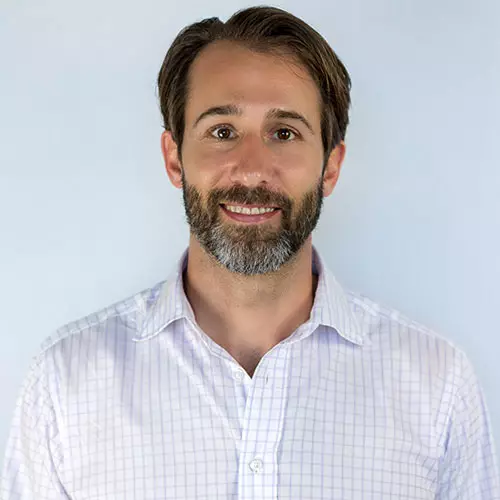
Owner, Moreau Physical Therapy
Al Moreau is the owner of Moreau Physical Therapy, a multi-specialty rehabilitation network his father founded in 1977 that now spans more than 26 locations across Louisiana and Texas. He leads the organization with a people-first philosophy rooted in the belief that sustainable growth comes from investing in the right people, not just opening new doors. Known for building strong internal leadership pipelines, Al has developed formal programs to grow clinicians into directors and guide the next generation of practice leaders. Under his leadership, Moreau PT has expanded into rural markets across two states while maintaining a close-knit culture built on mentorship, community, and the core value of growing together.