Making The Case for Physical Therapy as Primary Care


Dr. Anthony Buccafurni never planned on becoming a CEO. He started as a sports-focused physical therapist, raised by a pediatric nurse mom and a hospital administrator dad—giving him an early, front-row seat to both sides of the American healthcare system.
When he began working with older adults on the brink of losing their independence, his path shifted to FOX Rehabilitation and a mission-driven career to help people stay safely in their homes as long as possible. Along the way, he realized leadership gave him the chance to impact far more patients and clinicians than he ever could one-on-one.
He explains why rehab therapy has long been undervalued and how policy decisions have quietly treated therapists as “specialists,” leading to years of cuts. He argues therapy should be viewed as primary care for movement, function, and prevention, not a last stop after something goes wrong.
Dr. Buccafurni also shares how FOX has built a culture rooted in craft, community, and cause, where advocacy is part of the job, not an extra. Hear his hopes for the future of the PT industry, from the idea of “discharge” fading away to the profession speaking with one loud, unified voice.
GUEST
Anthony Buccafurni, PT, DPT
CEO of FOX Rehabilitation
Dr. Anthony Buccafurni is a practicing Physical Therapist and Chief Operating Officer of FOX. Dr. Buccafurni joined FOX as a full-time clinician in 2003 and was quickly promoted to regional field leadership. During his early leadership at FOX, Dr. Buccafurni was instrumental to the expansion of FOX into Atlantic, Ocean, and Monmouth Counties in New Jersey.
During his years as Executive Vice President of Operations, Dr. Buccafurni used his change management expertise to successfully reorganize Quality Assurance and Professional Development, Sales, and Admissions while leading Clinical Operations.
Connect with Anthony Buccafurni on LinkedIn
Learn more about FOX Rehabilitation
Sarina Richard
Chief Strategy Officer, Raintree Systems
Sarina Richard has spent twenty years as a Healthcare Technology Executive across the healthcare continuum, from operator to service provider to financier. At Raintree, Sarina oversees corporate strategic planning and leads cross-departmental initiatives to build best-in-class teams, systems, and processes.
Connect with Sarina Richard on LinkedIn
About Raintree
Raintree is the rehabilitation and physical therapy software of choice for enterprise and large therapy provider organizations.
Discover why Raintree is the trusted EMR and practice management platform for the largest and most ambitious rehab therapy organizations in the U.S.
Request a demo of Raintree
Sarina Richard (00:03):
I'm Sarina Richard and you're listening to Therapy Matters, presented by Raintree. Therapy Matters explores the ideas and innovations reshaping rehab therapy. Good morning, Anthony. Thank you so much for being here.
Anthony Buccafurni (00:20):
I'm happy to be here. Thanks for having me.
Sarina Richard (00:23):
Great. Well, I'd love for you just to share a little bit about just who you are, what organization you're with, and then just a little bit about the organization itself.
Anthony Buccafurni (00:32):
So Anthony Buccafurni, Chief Executive Officer of Fox Rehabilitation, Physical Therapist by training. Been with the practice for, gosh, going on 23 years in March and sort of started as a frontline clinician with the practice. Worked my way up through the ranks over the years, kind of got into management a few years into it just sort of by happenstance. And gosh, the organization just continued to grow. And as things unfolded, in the last year, elevated to the CEO position.
Sarina Richard (01:03):
Wow, congratulations on that.
Anthony Buccafurni (01:05):
Thank you.
Sarina Richard (01:05):
We're very excited about that for you.
Anthony Buccafurni (01:06):
Look, very proud to represent a really great organization of clinicians and humans. So yeah.
Sarina Richard (01:11):
How did you get into the space? What's your background? Was your family in healthcare?
Anthony Buccafurni (01:15):
Yeah, so my mother is a nurse, pediatric nurse, the best pediatric nurse. Growing up, really, all of our friends at some point, Ginny, the nurse, they know her from Dr. Budnik's office in Margate, New Jersey. And so that was a big part of my upbringing and the influence she had. And then my father worked his way from a volunteer ambulance driver at Langston Medical Center to administration at the hospital. So sort of grew up in healthcare, both the clinical side and oddly the administrative side at that time. And then I was always fully interested in orthopedics, total sports med guy.That was my passion going into my training. So I went to school really thinking I would be specifically sports med as many young PTs, only to find myself really interested and engaged with the older adult early in my career and then met Tim Fox and inspired me to like, wow, this is really a purposeful thing he's doing here at Fox Rehabilitation.
(02:20):
So again, this is two plus decades ago. And so I took the leap at the time. It was a really small little practice and happy I did because that journey's been a fun one here for large part of my career.
Sarina Richard (02:32):
Yeah. And interesting how you've sort of fused both what your mom did and your dad did into this incredible career. And here you are as a CEO.
Anthony Buccafurni (02:40):
Yeah, it's a funny conversation even with my own family. I obviously relate to the clinician and especially in my training. I remember going through rotations and starting to get your first taste of the interesting balance that exists between clinical care and the ability to administrate clinical care. And so my dad and I would get in some chippy discussions around administrator's roles. You don't understand the clinician's angst
Sarina Richard (03:10):
And- Big, bad administrator. Exactly.
Anthony Buccafurni (03:12):
And I completely never had aspirations to be in quote unquote administration. I mean, it was never desire to me to be a CEO of an organization. But yet through my journey and I think through appreciating what clinicians really need, and clearly it has a lot to do with my dad's influence, little did I realize, only to fall into the management side of clinical practice. And I think it's really given me that dynamic between my parents has just really given me the right lens and it's a balanced lens. It's just that ability to administrate clinical practice. We have to keep the lights on. I think properly about the way that we can handle care, how do we do it effectively, cost effectively, highest level of quality. And I know, again, that counterbalance in my home clearly had a big influence.
Sarina Richard (04:04):
Yeah. And I'm wondering, just knowing who you are, and I don't want to put words in your mouth, but impacting change, being able to really make a difference, was that what drew you into the administrative side?
Anthony Buccafurni (04:18):
I think so. And I think when you become a clinician, whatever it is, physical therapist, a physician, occupational therapist, my wife's an optometrist, you're seeking that purpose.That's really, I think, where it starts. And so you know the number of lives you can impact as a clinician directly, and it's so rewarding. It's really why we do what we do.
(04:44):
I did find my ability to influence those around me clinically to raise up and be better. And I think for myself personally, and I'm never quite satisfied. I think that's just my nature. We're never good enough. And I think it's something that just forces me to constantly be challenged. And having the ability to, with the clinicians around me, kind of inspire that same level of like, "Hey, we can do this better. We can touch more lives. We can impact more people. " So that nature of being able to really influence those around me. And it started, of course, with just managing smaller groups of clinicians and getting that honor, which it's truly an honor. Now over the years, the ability for me to work with teams of people who really can shape and shift the delivery of care and impact so many more lives, that I think has really been something that I've enjoyed in the management side of things, having no interest in going into it.
(05:47):
But when I reflect on it, that's the thing I'm most thankful for. I have this amazing opportunity to impact that many more patients' lives and that many more clinicians' experiences professionally, hoping that somewhere can make their life a little bit better and that they then in turn can provide more care, better care and different care. Take our profession somewhere it's not been because it's an amazing profession,
(06:16):
But there's so much more.
Sarina Richard (06:19):
Yeah. This meaningful impact, meaningful influence, as you say, makes a lot of sense now with what you have been able to do, not only for your team, your business, but for our industry at large. You are well known in the space as being on the hill, advocating for this industry. And so this thread of meaningful influence really does continue to the broader scale. And I'm curious, it's a hard battle. What is going on in the industry? The last five years have been particularly difficult. What have you seen? Why has it been so hard for us? Just share a little bit about the journey that you've been on.
Anthony Buccafurni (06:58):
So from the very beginning at Fox, Tim was always like Dr. Tim Fox, our founder. He always said, "Promote, promote, promote." From the first inception of the practice, we need to promote what we do, don't stop. I think when you think of it with respect to functioning a practice and you're talking about the number of referrals and patient lives, over this journey that we've all been on, I think the promotion of what it is we do in therapy by the industry, we're so focused on the patient care, the good work we do. That's the beauty of physical therapy and occupational therapy and speech and so many others, but we probably weren't allowing our voices to be heard by stakeholders we didn't really appreciate the impact of. And I'm not suggesting that we didn't have advocacy efforts. Even at Fox two decades ago, we did. We've always been trying to advocate.
(08:03):
It's part of the culture here. But I think in aggregate within the profession, to have a really aligned voice around the power of physical therapy, the impact it can have, the value it has in the healthcare system as a high quality, low cost provider. We just have not affected change and our voices have not been heard at the regulatory, congressional level, at the level that we needed. And so as a result, over the last five years, yeah, there's been Medicare regulation and law that has ... Unfortunately, we were the collateral damage of decisions made. It's happened. Now we have to move forward. It requires us to, I think, drive harder, promote further, be engaged, influence others to be engaged on this journey. And I think there's enough pain being felt in the profession right now that I'm feeling like even more people are on board.
(09:07):
So the time is right.
Sarina Richard (09:08):
Yeah. A big part of being part of the solution is understanding the root cause. Why do you think, or what in your mind is the root cause or reason of why rehab therapy has been so undervalued?
Anthony Buccafurni (09:21):
Again, I just think we haven't articulated our value as effectively as we needed to with one voice. That's the simple thing. I think the AMA has a huge influence from a lobbying perspective. Physical therapy is just such a small slice of the entire spend. And so we need as a result to shout louder, find novel ways to be acknowledged
(09:47):
For the value that we provide. And I do think that this concept of us that we like to consider ourselves specialists, and I think at some point we kind of put ourselves in a "specialist bucket." We're a specialist or physical therapist, this is our specialty. And in some ways, yeah, it is a special thing we do, but are we a specialist categorically or are we really positioned to be on the primary front end of care? And I think from a regulatory perspective, if you look at it, what did Medicare really do over the last five years of cuts? They sought to give primary care providers, PCPs more in their fee schedule, get them better reimbursement. And I completely support that. I'm sure we want really smart, good, young people to go and be primary care physicians. And so it was the right thing to do.
(10:48):
And you understand the balancing of the budget with respect to congressional actions. And in doing so, they kind of pulled from the specialists. And unfortunately being categorized as a specialist, there's our inflection point, there's our problem. And I don't think we expected that we would be impacted at the level that some of the higher paid specialists in the medical ecosystem make. I mean, the salary
(11:14):
Of many specialists way higher than your average therapist salary. And unfortunately, when they made this rebalancing, we became, and I think- Very words are collateral damage, and it sucks. Just to be brutally honest, it sucks. And had we as a profession really seen that coming, maybe this advocacy effort to really rethink the way that we're defined might've been something that we could have done to get in front of it, but here we are.
Sarina Richard (11:41):
Yeah
Anthony Buccafurni (11:41):
And we've been talking about primary care as a profession since I was in school, but we haven't really done it. We haven't done it and brought it to life.
Sarina Richard (11:53):
I wonder too, when we've been up on the hill, a lot of people there, they get it. Healthcare is so personal, but rehab therapy is not top of mind. What's top of mind is, oh, I had to go get a surgery, or I talked to my doctor about an ailment. But when you start talking or sharing the stories of rehab therapy, you see people's eyes light up. "Oh yeah, I get that. My grandmother, she fell and she never really got back to being normal again. "You start to share those similar stories and experiences and then people get it, but it's kind of an afterthought. So I'm curious, one argument against attaching rehab therapy to primary care is where it sits in the journey. Primary care is at the beginning and then they funnel you out to specialists. Rehab therapy right now where it sits is at the end of the journey and it's very outcomes driven.
(12:46):
We can measure the results and the impact of that rehab therapy. How do you link the two together?
Anthony Buccafurni (12:54):
So again, to go back to the sort of inception of Fox, what was the moment that really brought me to the older adult client, which is primary what Fox does our average patient age is around 84 years of age, was seeing in typical brick and mortar outpatient clinics for me, some patients coming in in that very reactive state post-injury, not on the tipping point of whether they could even live in their home again. And so when I'd first met Tim and first been introduced to Fox, what was so exciting to me was the proactive side of it. And so we've been talking about proactive healthcare for a long time, preventative care, proactive care. And we've been doing it as a profession, we've not been able to really clearly articulate the value downstream to the payers that that care does because if we can prevent things, I mean, clearly the healthcare system is being crushed by musculoskeletal spend from injury.
(13:56):
And so I think yes, we are positioned somewhat naturally as a reactive need from an individual who's had an injury, but a lot of us are practicing way upstream on that proactive preventative side. I mean, something that I've been going bananas about within our practice, and these are soapbox things that some of my team probably are going to laugh to hear, but we discharge patients. What are we doing? Why would we discharge a patient?
Sarina Richard (14:29):
Yeah
Anthony Buccafurni (14:30):
I mean there's episodic times where you engage someone and you start and you end and it's like, you had this problem. Thank you. Maybe you don't need to ever see me again, and maybe you hope that you don't. But I don't think that that's how our profession should be positioned. I think if I'm your therapist and you come to me, you're under my care, now we have a relationship and my job is to manage the physical and functional wellbeing of you as a patient for as long as we're both alive and practicing and you might not need my skilled care all the time, but when things change, when things come up, if there are concerns with proper screening and tests and measures, most other professions like us, they don't discharge their clients and patients. Primary cares do not discharge. My primary care right now, I haven't seen him in almost a year, but I'm under his care.
(15:26):
People turn to you as like, "Oh, my shoulder's bothering me. Can I come in? Could you take a look?" Direct access through direct access. And yet is direct access primary care? We have to put it all together. The pieces are all there and many of us are practicing in that fashion. And in many instances, we're doing this and not even really getting reimbursed for it. Your therapist often is coordinating your care. And so we really have to shift away from reactive care, very transactional versus being able to be on the front end and really coordinate the healthcare and make sure that that referral for orthopedics that might not be indicated that could very well end up in additional imaging is just not done until we really know that step needs to be done, that trip to the urgent care, where an urgent care physician who is probably not maybe the most skilled in that particular musculoskeletal problem is maybe ordering some additional tests that just simply aren't necessary, but-
Sarina Richard (16:26):
You just don't need.
Anthony Buccafurni (16:27):
Yeah. Your physical therapist who knows you can manage this cost effectively, most efficiently, easy access. But we have to change the way we think, we have to change the way we talk, the words we use. And then for a lot of us who are helping manage practices, we also have to change the systems that don't say we have outpatient and we discharge a patient and that's the end. How do even our systems help clinicians better govern the care that they provide?
Sarina Richard (16:55):
You said something I think that was really important that makes this industry really unique. And you said they know you and you were referring to the patient. I think that there are a few specialties where the relationship with the patient is very personal. This is someone that you're seeing over the course of eight, twelve treatments, sessions. A lot of times you're sharing things with your therapist that you would never share with anybody else. And your physical therapist knows more about you, your personal life than anyone. And I think if you look at it from the patient perspective, having that personal relationship, that therapist is perfectly suited to manage and coordinate that care for you through the journey. So entering that in the beginning versus at the end, I think really is the key. If you think about it from the patient perspective, and what is the patient experiencing?
(17:51):
They want to experience that relationship, someone who knows them and can help them through the journey.
Anthony Buccafurni (17:56):
So well said. I think about ... So Fox is a little bit unique, but let me take the practice model for a second because I think it kind of lays into where your story is. A lot of our care is delivered in assisted living facilities. When I first was brought in as a clinician to the first assisted living I was introduced to. I was embraced by the nursing staff, the administration as a Doctor of Physical Therapy at the top of my license that that community, those residents and their families depended on. And so my phone, when I went from outpatient brick and mortar, sports medicine clinics to senior living where I was managing really the functional health of the lives of these, this is 20 years ago,
Sarina Richard (18:46):
Yeah
Anthony Buccafurni (18:46):
And this is what we've been doing for decades, but I was really functioning like a primary care provider. It was proactive. We would educate the staff on signs. Family members would call and say, "Hey, mom was a little slow and I saw her and she was sort of just tapping the wall. She doesn't usually do that or she was having some difficulty eating. Could you all take a look?" We weren't sending her out to her primary care as first move. We weren't sending her to a specialist to get a bunch of tests done. We were using the skills of the physical, occupational and speech language pathologist respectively. For myself, I would go and take a look at what was going on with the patient I knew and I would coordinate that care. So again, our profession's been doing it and I know so many therapists, even in sports med clinics, they have that relationship where people are calling all the time for advice and care coordination.
(19:43):
We just haven't really built this system and we haven't said it. We have not positioned it- The messaging. From advocacy-
Sarina Richard (19:50):
Is not aligned.
Anthony Buccafurni (19:50):
From a policy perspective, from a system perspective.
(19:54):
And I really think that that's our call to action. For me, you started off saying, what's driven me? And that opportunity to influence colleagues and the mentor, younger clinicians and mentor future managers within healthcare, and that's been amazing. But the chance right now for us collectively as a profession to shift and once and for all accomplish positioning therapy as a primary care provider, truly from a policy perspective, from a regulatory perspective, which will ultimately help us with the reimbursement. If only we were primary cares when those cuts started, I do not believe we would've been part of this collateral damage. We would not have seen five years of continued cuts.
Sarina Richard (20:45):
Yeah, I agree. I agree. This call to action that you just referenced, Fox is really well known, not just you as leadership, but your entire company is known to be at the forefront of this call to action. Whenever you send out the back call, the call to action, they just get on board. What is it that you've done in the organization to really instill this mindset of we need to be on the forefront of advocacy? It's just normal for your team to do it. How have you been able to do that with them?
Anthony Buccafurni (21:19):
I would love to take credit. It's completely not me. It really starts with our founder, Tim Fox. I mean, it was important to him from the beginning to promote the profession. And when we had advocacy calls and we were 40 clinicians large or 20 clinicians, we were already engaged in writing letters and making that call. And so it is part of the culture that is established very early on. We will advocate, we will promote this profession. And then fast forward to Dr. Robyn Kjar, who was CEO following Tim and mentor to me, she continued that same advocacy journey. And it's just in our fabric, our whole leadership appreciates it. Our regulatory team leadership is all over the changes and very quick to call to action with our management team. It really is a cultural thing. And sometimes good culture just exists, but there's an intention to culture.
(22:19):
You got to work at it. You have to talk about it. Every meeting, you have to start with it and you have to be deliberate within your organization about it. And it helps people not lose sight of like, look, we have this vision together that we're all trying to accomplish. And so I think that drumbeat at Fox from the very beginning has just never stopped. And I think it's like you got to walk the walk.
Sarina Richard (22:42):
Walk the walk. Right.
Anthony Buccafurni (22:43):
That's a huge part of something that was set many, many years ago by those before me. So I have the luxury now of having the steering wheel of this giant, powerful clinical practice that really will allow us to influence some change, I'm sure of it.
Sarina Richard (23:01):
And I love the kind of visceral example of the drum beat.
Anthony Buccafurni (23:04):
Yeah.
Sarina Richard (23:04):
That's really nice because I also know you're a musician, which is cool, but continuing that drumbeat. And even after you, the legacy that you will set with the team, it'll continue on, which is really cool. Does it show up in recruiting at all? How do you get this or attract these like- minded people into your organization?
Anthony Buccafurni (23:28):
I think about this a lot because when I get to send out birthday emails to our clinicians and I see these amazing responses of people who are just so happy to be at the practice. And again, I keep going back to the culture. Most of our leadership team has come up through the ranks. It's very important to us that we can develop and internally build leadership that appreciates how you manage clinical practice. And it really starting with a lot of those tight team culture-based pillars.
(24:12):
And we talk all the time, it's like there's three things that drive clinicians, craft, community and cause, craft community cause. And in your time here, in your profession, that's going to change. For me in the beginning, it was craft. I was really good PT. It was going to be the best. It's going to work for the Phillies. And then over time, I met Tim and I got introduced to Fox and I had this moment with a patient. I won't go through the details of that, but it was in a brick and mortar outpatient environment. It was an older woman who was struggling in her home struggling to get into the clinic. And then I found Fox. And boy, the cause. These people are on the tipping point of not being able to live in their homes. They're desperate for care and they're so engaged in their will to improve.
(25:07):
It wasn't like someone was forcing them to come to therapy. They needed it.
Sarina Richard (25:11):
It. They wanted it.
Anthony Buccafurni (25:12):
And so that drove me for many years and drives, I think, many within our practice today. And then eventually it gets to, for me, it's like community. The people we surround ourselves with are just amazing. My leadership team, the clinical team that's out there. So I think at Fox, what's really resonated is we really lean into all three of those culturally because it's a little different for everyone. And I don't want to make a great clinician a leader who really has no interest in leading. What we really actually need to do with you is figure out how do we take your influence over patient care? And this is the big thing on the primary. Think about the clinician who doesn't want to get into management because that's the matriculation. You provide patient care and then you become a manager. Is that professional development in therapy?
(26:05):
I don't know that it is.
(26:07):
It's a great route for some. That's where I ended up. I'm not really sure how, but to go back to my little brother, he's amazing clinician and impacts the lives of so many. He's actually not with Fox. He's an outpatient ortho and loves it, sports med side of things. But I think about really good clinicians at Fox that in a given week, you can manage ... It's one-on-one patient care in the home. So maybe you have 15 active patients in a week, maybe 17, maybe 12, depending on your commitment. And those are 12 or 18 lives in a week that you'll impact. Well, really good clinician who is given the tools to be a primary care provider really should be influencing hundreds of patients a week through the use of coordinating care with assistance and so forth and leaning into wellness opportunities that they need.
(27:04):
Because even when I'm not seeing you, what are you doing to keep yourself ... We talk about home programs. Well, maybe you can do it on your own, but maybe you need someone on-
Sarina Richard (27:12):
To guide you. ...
Anthony Buccafurni (27:13):
To guide you. But I should be the one helping to coordinate that when you're not with me, hopefully. So there's not a skilled event and you don't need to come back to me other than maybe reassessing where you are to assure something didn't go off like that's primary care. And that's a really good therapist professionally growing, professionally developing, and now managing the lives of so many. And so it might not be me that gets to see you three days a week for ... It might be an assistant of mine, but that's okay because I'm still here. So I really think that that's a big part of where our profession needs to go.
Sarina Richard (27:50):
Yeah. Something else that became clear to me in one of your Cs is community. And I think as we were talking about this, how do you get this like- minded leader? How do you get this like- minded person to really believe in the cause of advocacy? And I think it's the community. So your model is very unique and the fact that you have a community with every single patient, their community, their family, it's their personal support network, their support team. And just by the model itself, you know that if you are going to work at Fox, you will also be working with that support team of the family. So that community, it's not just the community at large, it's the community that that person, that individual patient is experiencing and feeling for themselves. And so maybe that's what drives that like- minded individual at Fox, that they get the concept of advocacy because they're already doing it every single day.
(28:49):
They're advocating for that patient with their family every day.
Anthony Buccafurni (28:52):
You come to this environment with this patient population, you have to be driven by that cause. And that like cause, like you said, is the thing that creates that community of appreciation for the power and the impact that they all can have together collectively. It's interesting. We have a remote practice. So we don't, much like many of our colleagues and others you'll speak to on these podcasts, brick and mortar, everybody goes in, share a cup of coffee in the morning. Many of our clinicians don't get that. So you really need to be deliberate to keep that cohesiveness in an organization like ours that's all distributed, decentralized, remote. Yeah. So I think that is the thread for sure.
Sarina Richard (29:40):
So what would be your hope for the industry? Where do you want to see this go? What does success, how do you define success for this industry?
Anthony Buccafurni (29:52):
This profession means the world to me. And like you said, I have a younger brother who's also a PT. I was struggling a little bit over the last few years with where we are, five years of what feels like nothing but depression and angst. And for those therapists listening, I think you can relate, it's like, what is happening? I mean, it's apathy. And at some level you can either choose to be a victim or you're going to do something about it. And so I feel like we're at the bottom of what's been a rough go. This is a really long answer to your question, by the way. Let's step back a second and say, when I came out of school in 2001, there was some payment reform that really smart people went to therapy school in those years. I mean, it was so competitive.
(30:38):
I didn't get into any school. Even Temple, the school I graduated from wait listed me, and I remind them of that all the time. But we came out and the profession was the salaries were way down. Jobs weren't available because there was a change basically to the commercial insurance where you just couldn't see as many, the one-on-one rules. Everything the profession went through a really tough payment time that started at the beginning of this century. Fast forward, we had a good upswing for a decade. 2012, other regulatory changes came in, MMR, MPPR, and a myriad of other things. And it impacted us again and the profession kind of took a hit. Then we had an okay decade. I mean, don't get me wrong, our fee schedule's not gone up in 20 years. Since I started, the fee schedule's only gone down. But practices figured it out.
(31:28):
We re-engineered what we were doing and then we got to this point. And so here you are, five years of this dip. I think we're at this inflection point. I feel the positive energy of the profession beginning to write itself.
(31:43):
What is success? I have two boys who are looking at their future and is therapy a place that I want them? And they see me and they see my brother and they're like, "This is a great thing." And I want the profession to be the way it was when I went into it. So exciting, such a forward-looking opportunity in healthcare. I want it to be exciting again for young people to want to be therapists. And this primary care concept, I think once and for all, if we truly are defined as primary care providers, if we are managing at the top of our licenses, if we have a large community of patients that we can impact on a weekly and annual basis, and we aren't discharging our patients, and our reach individually can be longer because more patients need our access than there are of us.
(32:43):
That's success. If we get there where commercial insurance payers are identifying us as primary care providers, if Medicare is identifying us as a primary care provider and the word discharge is almost gone from our vocabulary, that's success to me. And I think it could be measured different ways, and I won't get into that, but that's a legacy I want to be a part of helping to leave behind.
Sarina Richard (33:16):
Very well said. Basically, it's making sure that the value you're providing is recognized and you are valued for that time and care and outcomes that you're providing.
Anthony Buccafurni (33:28):
Therapy is so valuable. I know it. Our profession knows it. Patients know it, but the world needs to know it.
(33:35):
You know? And that's
Sarina Richard (33:36):
Beautiful.
Anthony Buccafurni (33:37):
We'll get there. And we can't be victims and be frustrated by it. We just got to get together right now, go push hard, be freaking loud and influence change. And the leadership that exists in the profession right now that I've had the opportunity to engage with more and more, what you're seeing right now between a lot of the large organizations too, that support the advocacy efforts like APTQI, APTA, AOTA, and others, if we can collectively get that voice right and get to the right stakeholders, then we can affect change that will once and for all, I think, leave a lasting impression on the future of the practice. Yeah.
Sarina Richard (34:21):
Anthony, thank you so much. You are such an inspirational leader and thank you so much for the work that you do for this industry. This drumbeat that you talk about, it just is going to keep getting louder and louder. And with people like you leading the charge, I know that we will be able to get that success that you just outlined. So thank you so much for the work that you've done. You are truly an inspiration to me and to this profession. So thank you for your time.
Anthony Buccafurni (34:47):
I appreciate that. And I'm very blessed with a great group of people around me to continue to push forward like you all. So thank you.
Sarina Richard (34:54):
Awesome. Thank you so much. Links to learn more about Raintree Systems and anything else mentioned on today's show are available in the show notes. To learn more, go to therapymatterspodcast.com. Follow Therapy Matters on YouTube, Apple Podcasts, Spotify, and anywhere you listen to podcasts.
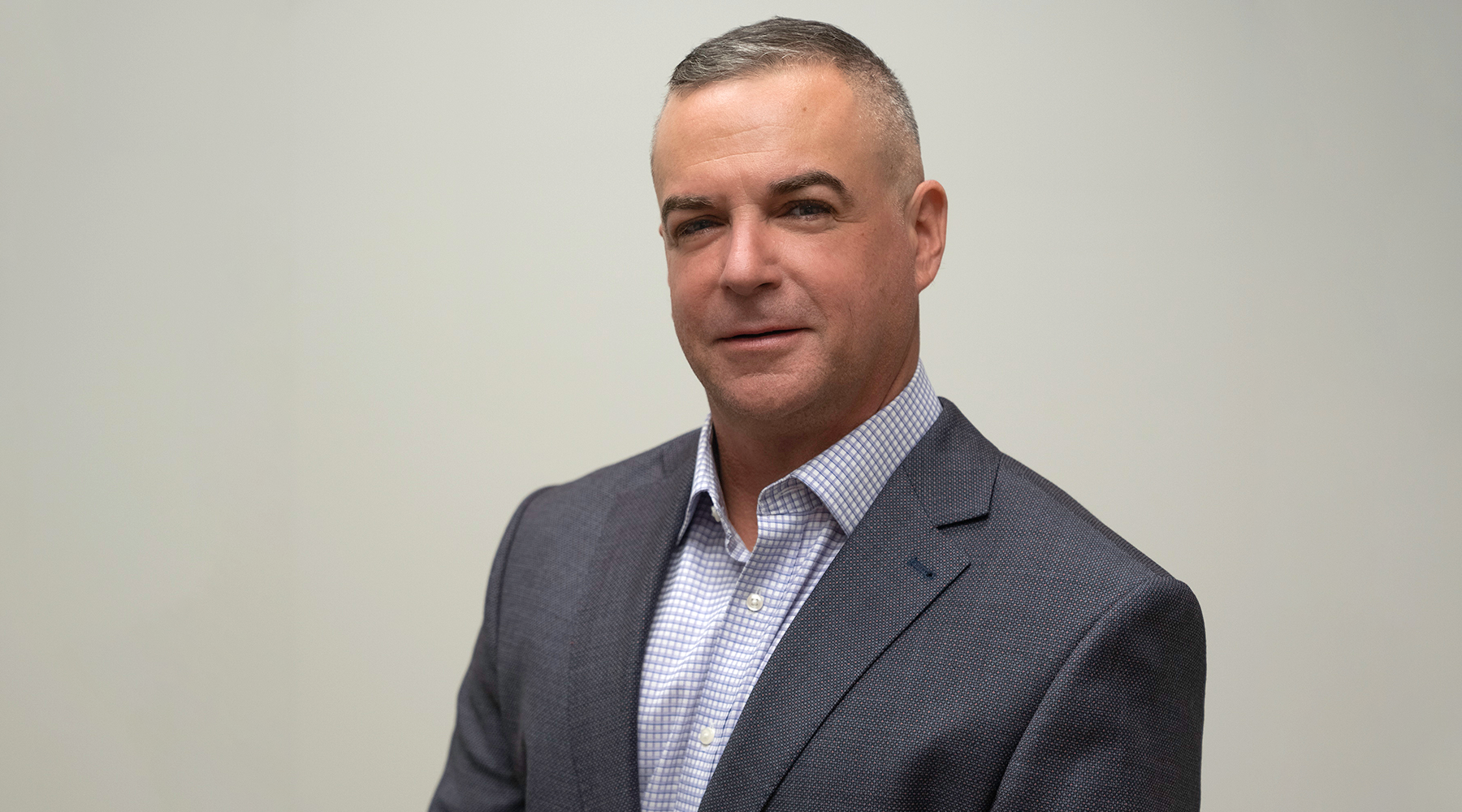
CEO of FOX Rehabilitation
Dr. Anthony Buccafurni is a practicing Physical Therapist and Chief Operating Officer of FOX. Dr. Buccafurni joined FOX as a full-time clinician in 2003 and was quickly promoted to regional field leadership. During his early leadership at FOX, Dr. Buccafurni was instrumental to the expansion of FOX into Atlantic, Ocean, and Monmouth Counties in New Jersey.
During his years as Executive Vice President of Operations, Dr. Buccafurni used his change management expertise to successfully reorganize Quality Assurance and Professional Development, Sales, and Admissions while leading Clinical Operations.