Building a Pediatric Therapy Team That Stays
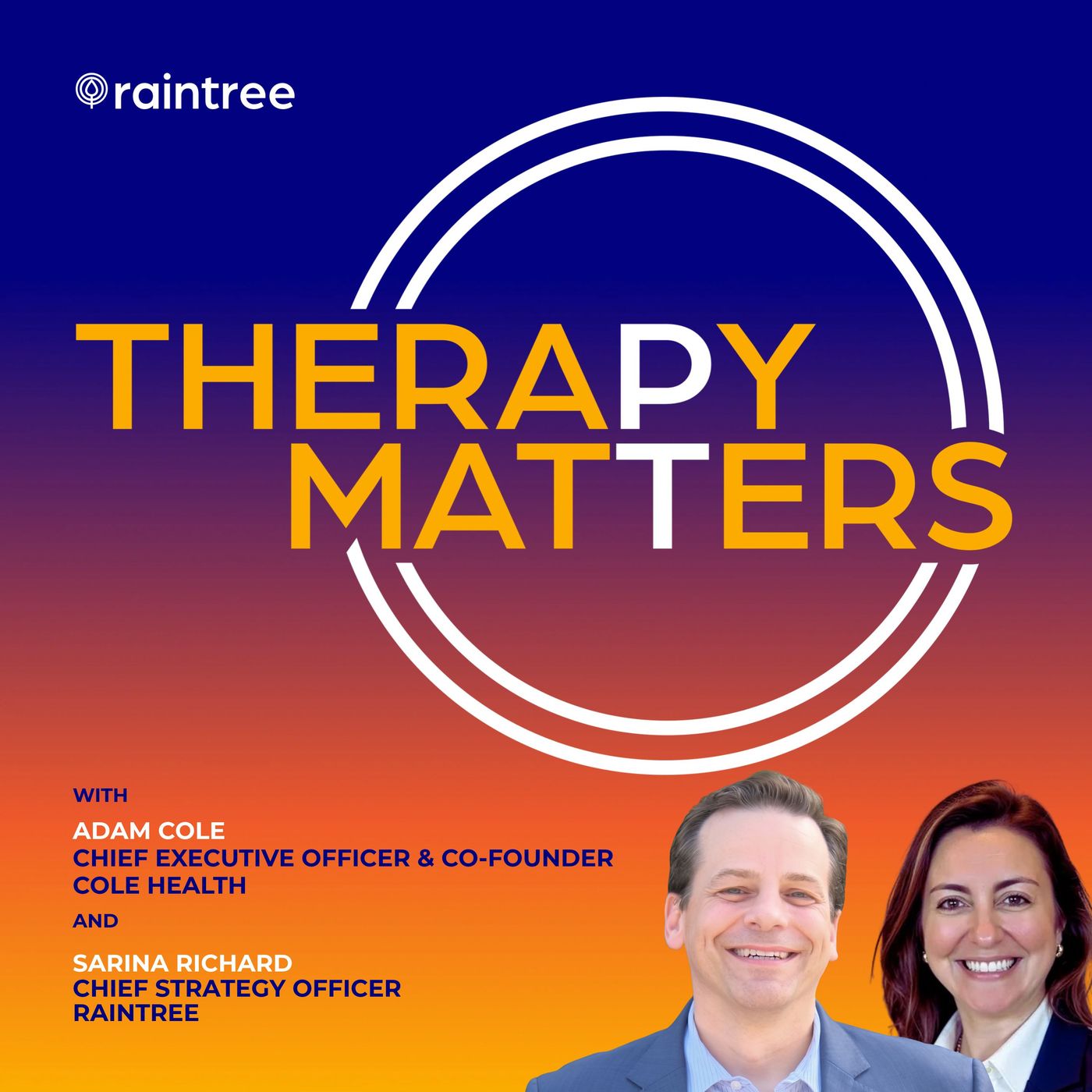


Adam Cole left a career in tech after his wife Jennifer's after-school speech sessions, held out of their home, grew into a thriving practice. Twenty-five years later, Cole Health is a clinician-owned organization with clinics in Texas, North Carolina, Washington State, and Washington, D.C.
Sarina Richard asks Adam what it takes to meet a demand for pediatric care that keeps outrunning the supply of clinicians. His answer starts with people: therapists who treat the whole family, earn a child's trust, and have a real calling for work that is physically and emotionally demanding.
To keep those clinicians, Cole Health built Mind Over Mondays, a program for managing stress, and Journeys, which gives every employee a personalized growth path. Nine tracks run from clinical specialties like feeding and augmentative communication to the Cole Leadership Academy.
Adam makes the case for advocacy and lower-cost degrees, and he is candid about the gap between school and the clinic, from the physical pace of pediatrics to pay expectations that schools over promise. He also explains why ambient listening may do more for clinicians' quality of life than any other technology, and why AI will never replace the bond between a therapist and a child.
Quality at Cole Health comes down to three questions: are parents happy, are children meeting their goals, and are they the right goals? Adam sees the caregiver as the final judge of progress, and early wins like a first trick-or-treat or hearing "I love you" keep families invested for the long road.
Get a practical playbook for hiring, growing, and keeping clinicians who are in it for the long haul.
Adam Cole
CEO and Co-Founder, Cole Health
Adam Cole, MBA, is CEO and co-founder of Cole Health, a pediatric therapy organization providing speech, occupational, and physical therapy and ABA services across 24 locations in Texas, North Carolina, Washington State, and Washington, D.C. Adam joined the practice his wife, speech-language pathologist Jennifer Cole, opened in 2001, and has worked at Cole full time since 2004. He holds a B.S. in Computer Engineering from Clemson University and an MBA from the University of Texas at Austin. Adam is active in healthcare regulatory and legislative advocacy and consults with other providers on financial and operational performance. He leads with a growth mindset and a deep commitment to expanding access to care for children and their families.
Connect with Adam Cole on LinkedIn
Learn more about Cole Health
Follow Cole Health on Instagram @wearecolehealth
Sarina Richard
Chief Strategy Officer, Raintree Systems
Sarina Richard has spent twenty years as a Healthcare Technology Executive across the healthcare continuum, from operator to service provider to financier. At Raintree, Sarina oversees corporate strategic planning and leads cross-departmental initiatives to build best-in-class teams, systems, and processes.
Connect with Sarina Richard on LinkedIn
About Raintree
Raintree is the rehabilitation and physical therapy software of choice for enterprise and large therapy provider organizations.Discover why Raintree is the trusted EMR and practice management platform for the largest and most ambitious rehab therapy organizations in the U.S.
Request a demo of Raintree: Request a demo
Sarina Richard (00:03):
I'm Sarina Richard, and you're listening to Therapy Matters presented by Raintree. Therapy Matters explores the ideas and innovations reshaping rehab therapy. Well, Adam, thank you so much for being with me here on Therapy Matters. It's great to have you today.
Adam Cole (00:20):
What an honor to be here. This is exciting. I'm looking forward to this.
Sarina Richard (00:23):
Thank you, Adam. So let's start first with just your background. How did you get into this space and what keeps you here?
Adam Cole (00:29):
Yeah, in a prior life, I was actually in the tech industry and I was actually going to school here at the University of Texas in Austin where we're at right now.
Sarina Richard (00:37):
Go Longhorns.
Adam Cole (00:39):
And so I was going through their business program and my wife is a speech pathologist and I was so busy. She starts treating out of her home, just deciding to take a few kids after school. She was working in the schools at the time, and next thing you know, she's got this thriving practice.
Sarina Richard (00:56):
I love that. Out of your home?
Adam Cole (00:58):
Out of our home.
Sarina Richard (00:58):
Super compliant.
Adam Cole (01:00):
Right. And so it was booming and next thing you know, I'm helping her. And at some point, I think it was the year, we're 25 years in business this year. Congratulations. So this was a while ago. Thank you. And at some point it was, okay, I'm helping her. I think we can do this together. And my job's kind of in the way. And I fell in love with the families. So we've maintained a relationship with a lot of those original... Actually one of the, I think it was her second patient ever was just over at our house for July 4th.
Sarina Richard (01:33):
Wow.
Adam Cole (01:33):
And he was profound, extremely severe, but now has gone to school, has a degree, working, works in IT actually, and still has some impairments, but he has made so much progress. So we just built that relationship. But that's what really drew me into the industry is just the families, getting to know them. I fell in love with the kids. All of a sudden tech became a little less interesting to me and we just started blowing and going and building it and really had built a really fun and wonderful culture to deliver excellent care to a lot of kids.
Sarina Richard (02:06):
Yeah, I love that. Well, way to just be super inspirational right off the bat with that story. That's amazing.
Adam Cole (02:12):
Thank you.
Sarina Richard (02:13):
I think one thing that's really unique is the ped side of it, because it's interesting, but also probably has its challenges. And I'd love to hear more about how you guys navigated just the different types of environment, ecosystem, challenges, requirements, needs of treating that population.
Adam Cole (02:33):
Yeah. And gosh, if I go back 25 years ago, it was probably a good thing. We don't know what we know today. But over time, the demand just was off the chart. And I remember 25 years ago, words like autism didn't exist, were not even a household name at that point. Now everybody knows somebody who has autism, that kind of thing. And so we've seen over the last 25 years this incredible explosion in the need for our services and what we were doing. And over time we developed, Jennifer was speech pathology. All of a sudden people started doing more speech with her. Then we started adding OT, PT. Yes, we did move out of the house at some point.
Sarina Richard (03:12):
I was going to ask, do you have a home gym?
Adam Cole (03:14):
Right. No, at some point it was... Well, what's funny is after I finished business school, I'd come home and there were parents in our waiting room. And at some point, this is not a clinic, this needs to be a home. So we started building these clinics and building them together. We could not keep up with the demand for what we were doing. And so that more than anything I think is one of the huge challenges. Not that healthcare in general doesn't have a shortage of clinicians, but we see just massive... The schools aren't producing enough clinicians. There's not enough supply where there's incredible demand. And you just look at the statistics today. I mean, for whatever reason, and you can ask five clinicians why there's so many children with disabilities, you're going to get 10 different answers. It's kind of one of those things. But I think the statistics are like one out of every eight has a developmental disability or delay or something like that.
(04:12):
The statistic on autism, I think it's one out every... I can't even keep up with it. One out of every 31 today now gets a diagnosis. And so really just meeting that need is a huge, huge emphasis priority. We put a lot of emphasis on it. Our world needs more clinicians, needs more therapists, speech therapists, OTs, PTs to really solve this problem because we do have a solution.
Sarina Richard (04:40):
And it works.
Adam Cole (04:41):
It works. 25 years ago you would use these words like autism and I tell people back then it was like this death sentence for the family and now there's so much hope. There's so much, not at all. And there's scale too.
Sarina Richard (04:53):
It's not black and white.
Adam Cole (04:54):
Correct. There's scale. And doctors back then would say things like, "Well, your child will never talk. They'll never..." And no, no. The total opposite that we've seen over a number of years. I mean, every child's different, but the success stories and the transformation that's happened with so many of these kids is... And that's why I do it.
Sarina Richard (05:13):
It's so fun to watch. It's hard not to because it's just with adults, you get injured, but with kids, there's just something that's more emotional.
Adam Cole (05:22):
There's emotional and then there's a treating of the entire family, which is there's a lot of caregiver input. And that's one of the skills I think a clinician has to develop is it's not just your direct work with the child. Now you're working with mom or dad or the caregiver, whatever that situation may look like. And you're really helping to bridge a quality of life issue for that entire family. And that's generational.
Sarina Richard (05:45):
You're also a teacher, right?
Adam Cole (05:46):
Yes.
Sarina Richard (05:47):
And there's so much patience. I mean, there's patients in the profession, but an extra level of patience, I'm sure.
Adam Cole (05:52):
Yeah, that's definitely -
Sarina Richard (05:54):
And psychiatrists and psychologists.
Adam Cole (05:56):
We hear that a lot. Yes. Yeah. You have to learn to have that extra skill set that... A traditional rehab therapist, an adult will listen for the most part to your instructions and follow your instructions. Well, that's not the case, kids. You have to entertain them. You have to get them motivated, get them to want to come to therapy. And so that's where a really exceptional therapist builds that rapport with a child and breaks through where they might be resistant to getting treatment in the first place. And that's what makes it really so special.
Sarina Richard (06:27):
Yeah. How do you screen for someone like that with those special skills and abilities?
Adam Cole (06:32):
Sometimes a lot of it's intuitive. I mean, so you look for someone's heart and culture fit is everything. They have to have a calling. There's got to be some level of purpose behind it. It's very difficult. It's a tough job. I mean, you will deal with extreme behavior circumstances. There are times clinicians, they have to deal with getting bitten, kicking, screaming.
Sarina Richard (07:05):
Something thrown at them.
Adam Cole (07:06):
Something thrown at them. Exactly right. And so someone has to have a real deep calling, purpose, mission. Those are the ones that really are in it for the long haul, and those are the best cultural fit with what we've tried to build.
Sarina Richard (07:20):
How do you get more of those?
Adam Cole (07:22):
That's the million dollar question. So really having good partnerships with the universities I think is part of it. Making the barrier to pursue this as a profession as low as possible so that there's more access, I think is incredibly important. I think there's bridges that I think we could do a better job with. Speech will have, it's not even nationally recognized, but their assistance can be a stepping stone into that. Obviously PTS/CODAs are doing the same kind of work. And so I think just making more options available would go a long way and recognizing and not realizing that that's such a critical component to solving access to care is not making it such this mountain, this huge hurdle someone has to get financially, those kinds of things. So one of the things we do is we do participate in scholarship programs and try to get more people in the industry that way.
(08:26):
We have so many examples of individuals that start in our company as maybe an admin and then they go, "Wow." Mater of fact, our first employee ever was a front desk receptionist and said, "I want to go back and get my speech degree." So those are the kinds of things. If you can just share the work we do, then the right people with the right mindset catch on.
Sarina Richard (08:49):
They get it. I mean, the work speaks for itself, right? The value that you create, the impact that you're making not only to that child, but to their family, it's tangible and you can see it. Yeah. It's kind of hard to not get pulled into that when you see such an amazing impact. So if you're a new grad or thinking about getting into the space, you look at this industry and you see declining reimbursement, low pay, burnout, difficult job, why would you get into it and how do we help more people say, "I still just want to do this?"
Adam Cole (09:27):
We put a lot of thought into that over a lot of years. One of the pieces of feedback that we would consistently hear is, "Okay, I've got my degree. I've started this profession. I'm learning. Okay, now what? This is really hard." Now it's becoming a bit of a grind and how do we as a company address that kind of thing? There's multiple layers to it, but I think culturally, one of the things we talk a lot about is we want to help you become not just a better clinician, but a better person overall. We do put a lot of emphasis and work on things around mental health, around how do you deal with stress? We've got a program called Mind Over Mondays as an example where we try to get as many people to participate in that as possible.
Sarina Richard (10:28):
What is it?
Adam Cole (10:29):
It's basically, it's a program to deal with stress. It's how we actually handle stress, manage stress, work on our mental wellbeing.
Sarina Richard (10:38):
Nice. So is it classes that you -
Adam Cole (10:40):
Yeah, it's teaching, that kind of thing that we do.
Sarina Richard (10:42):
Nice.
Adam Cole (10:42):
And things like that. And then we developed over time, we had a group that said, okay, we really want to develop different tracks for clinicians, not just clinicians, even on the administrative side because that's hard work too, dealing with families, checking them, checking out, scheduling, billing, authorizations, all these things. So we created what we call a journeys program at Cole, and it's basically every employee is going to be a little different, but what's the proverb where there's no vision, my people perish, that kind of thing. Creating a vision for every person, almost a customized individual vision for them that says, "Okay, what are you really passionate about? Okay, let's feed your passion so that the grind actually is working towards something. So is it clinical? Do you have a passion for clinical expertise in a particular area? Is it augmentative communication? Is it feeding swallowing?
(11:45):
Is it sensory integration? What is it? And so putting together tracks and a plan to get you to grow in that area. Growth is a big thing. Maybe it's leadership. So we call it Cole Leadership Academy. That's something you can participate in. That can be a track that you move in so that you can envision yourself. I'm here for the long term. I'm going to grow as a person. We're going to work on you as a person, and then we're also going to feed that kind of internal, this is what makes me tick, this is what gets me up in the morning, this is what I get excited about, that kind of thing. We call it our journeys program. It's been amazingly successful. If you are passionate about research and development, we've got a plan for that, a path for that, whatever really gets you going.
(12:27):
I think there's nine different paths right now that someone can choose in our company. That's been really critical to getting people to buy into the, okay, there's more to this than just... There's a bigger plan and I can see where I'm going.
Sarina Richard (12:41):
Yeah. It's a perfect name for it too, journeys. Yeah. And I love the intentional but individualized thinking and thought process around what matters to every therapist. That's really special because you hear a lot of times there's a generic leadership development program or training that you need to just keep your skills up to date, but it's very generic and not going back to the why, why are you doing this? I think where you are in your space, it is all about the heart. So keeping that heart front and center is probably what's made that program so successful.
Adam Cole (13:19):
That's a great why. We talk about the Simon Sinek, what is your why over and over and over again. Why do we do this?
Sarina Richard (13:27):
Let's go back to the access to care problem because I think demand for ped services continues to grow. Demand for rehab therapy in general is outpacing supply. But I think specifically in peds, it's just such a unique niche. Not that it's harder than adult, but I do think that there's a lot more, as we discussed, challenges and situations that you have to think about and cater to in that environment. What is the solution? What do you think needs to actually change within practices, education, technology? Is it a broader industry movement that would actually change that?
Adam Cole (14:05):
Well, so advocacy would be huge. So I would start with, okay, there's got to be a buy-in legislatively. There's got to be a buy-in from an industry that our services deserve attention, they deserve more funding, they deserve a lower regulatory burden, and they're really providing a great ROI on the services that we're providing. We're lowering costs for the state. So when we do advocacy work, we'll mention all the time about how examples like I just mentioned, Jennifer's second of her patient is now paying taxes, that kind of thing. There's an ROI on all the work he had as a child. They're not going to institutional settings and we're getting them back in school and those kinds of things. And then that buy-in I think is one big component of it. And then in addition, I do think we could do a lot of work around lowering the cost of getting these degrees because increasingly we hear that the ROI of this is great, but I'm going to go spend a hundred whatever grand to go get this degree and I come out and I make this versus how do I justify the ROI on that? I think there's a lot of work to be done there as well.
Sarina Richard (15:31):
How would you change that?
Adam Cole (15:33):
I think as an industry, we got to work more on either developing scholarships, putting pressure on universities to actually... And we do work with some of the universities. There's the whole volume versus can we lower costs and can you increase your volume a little bit? I think that's one of the keys. And I do think that particular in Texas, they could do some specific things to fund more program scholarships, that kind of thing to get more people attracted to doing this kind of thing or get more potentially even out of state elsewhere. Hey, Texas is a growing population. Let's get -
Sarina Richard (16:14):
Absolutely. It's a magnet for people in other states.
Adam Cole (16:17):
Right. But we're not keeping up with the demand. The more people in Texas, the more that are going to need the services. So how do we keep up with that demand? And we've got to attract the right clinicians to want to work here as well.
Sarina Richard (16:27):
Very interesting. So those are long-term solutions. Advocacy work, it shouldn't, but it does take a really long time. Changing maybe the educational system could take a long time. What's something that you could do or someone could do tomorrow?
Adam Cole (16:45):
That's a great question. I think short-term solutions, if you are a family, I think you've got to learn to work the system.
Sarina Richard (16:54):
What do you mean?
Adam Cole (16:56):
I think when people ultimately have these... We hear this all the time from moms and dads, "My child just got a diagnosis. I am overwhelmed. I don't know what to do." And so there's a lot of us in the profession that do know what to do. I've even heard people that are in healthcare settings, "I just got this diagnosis and I still don't know what to do. I'm overwhelmed by it. Where do I start? How do I get access to what I need to get access to?"That kind of thing. I think for those of us that know how to navigate the system, I think getting easier access to people that can help that way. And that is one of the things we do do is we have multiple people in our organizations that do different work legislatively and that kind of thing and know how to plug families into certain systems instantly, get them on wait lists if they need to get on the wait list for certain programs or benefits, that kind of thing, and plugging them in that way.
(17:50):
So if someone called me today and said, "Hey, I'm a family. I don't know what to do. I'm in crisis." There's immediately some people, "Okay, talk to this person over here immediately and get plugged into what the state of Texas has to offer. There's some certain wait lists depending on the type of disability that your child has, those kinds of things.
Sarina Richard (18:08):
That's amazing that you're kind of like their Sherpa. I mean, you guys have been doing this for so long that you know exactly the path to just cut the amount of time that you are waiting.
Adam Cole (18:16):
Yeah. And I think that's okay, but don't wait either. I think there is a -
Sarina Richard (18:21):
Or do it the wrong way. Right?
Adam Cole (18:23):
Yeah. The benefits of early childhood intervention are... Okay, the research is in on that one. It's proven the sooner we start, the better. Don't wait. So often we would hear, especially when we started, we don't hear it quite as much anymore, but there would be a mindset, oh, well maybe the child will grow out of it. Just wait another two, three years. They're not speaking at three, but maybe by year four or five they will be. No, let's get started now.
Sarina Richard (18:46):
Those neural pathways start to harden the older you get.
Adam Cole (18:50):
And the great thing about parents that have children with special needs is they do learn over time to become pretty strong advocates for their families, but it's going to get the getting started is a lot.
Sarina Richard (19:06):
Oh yeah. I mean, imagine what the families are going through.
Adam Cole (19:08):
Exactly.
Sarina Richard (19:09):
And then what if they have other kids?
Adam Cole (19:11):
Exactly.
Sarina Richard (19:11):
Is that a different school? Does that mean you need a different car? Who's doing pickups? I mean, it's a whole thing that you're changing. What activities are they in?
Adam Cole (19:19):
Yeah.
Sarina Richard (19:19):
It's a lot for a family.
Adam Cole (19:21):
And there's so many support groups that they could plug in, and that'd be another thing we would help out with. Help them with that. Let's get you plugged in with some proper support. Some other families that are going through this, you need help, that kind of thing. That's where I would start someone.
Sarina Richard (19:34):
Yeah. Bouncing back to the clinician side, do you think that we are preparing clinicians in the right way? Is there a gap between expectation of what they're expecting while they're in school and the reality of what they get out of school?
Adam Cole (19:50):
Yeah, totally. They're not often... And that was some of the feedback we're getting is pediatrics is pretty fast-paced. Kids are coming and going and coming and going.
Sarina Richard (19:59):
You gotta keep up with them.
Adam Cole (19:59):
And keeping up and it's so physically demanding. And so I think sometimes we'll see people after they have their degree say, "Oh wow, I didn't realize it was this physically demanding. Maybe this isn't for me." That's where it sure would've been helpful to have that before you... Sometimes they'll change settings, and then unfortunately, sometimes with the reimbursements where they are and that kind of thing, you'll actually see individuals go, "I'm just not going to stay in the profession altogether." But that's something I think the schools could help out with a lot. The real demands of what a day-to-day, say, in an outpatient setting like us might look like. And then there's all the demands of documentation, which obviously our partnership with Raintree, and there's been a lot of great stuff that's coming there that I think will help and really transform the industry there.
(20:50):
But that kind of thing is also, I don't feel the schools are doing a great job preparing that. This might be a little controversial, but I can say this is a non-clinician. 25 years ago, I mean, everybody knew what a SOAP note was, and it just seems like the art of a SOAP note, reading it as a non-clinician is somewhat lost. And so really getting back, and sometimes the therapists are doing it, they just don't realize this is the progression of how we document our services, and they could do a better job of that.
Sarina Richard (21:24):
Do you think schools prepare students for the reality of the pay?
Adam Cole (21:29):
No, they over promise and under deliver. And I think that's part of the... And that might be controversial to say, but that's what we see over and over again is there's not an expectation. Or schools try to justify their ROI to students and they also might use... There's almost a shell game with, we'll take the highest producing type of service, say maybe in a SNF or a hospital inpatient setting, the highest type of setting with the most experienced clinician in the best paying city, and we're going to use that as -
Sarina Richard (22:10):
And that's what's on their website.
Adam Cole (22:11):
Here's what's your expectation. Whereas no, if you're in an outpatient setting in a very rural area, it might be very different.
Sarina Richard (22:16):
Very different. Yeah. Is it anyone else's responsibility other than the university's to set expectations properly with pay or with the job?
Adam Cole (22:26):
Well, I mean, certainly, I mean, it's ours to be upfront. We've got that as a bigger company. The onus is partly on us, I think, as well too. I would say the trade associations could help out with that a lot. Clear expectations from whatever the state, whether it's Texas, it's TISHA, TOTA, TPTA, they have a role to play there as well. ASHA, ABTA, they have a role to place.
Sarina Richard (22:51):
But there's also a balance because you don't want to scare people off.
Adam Cole (22:53):
Not at all.
Sarina Richard (22:54):
Before they can see the value.
Adam Cole (22:55):
Before they see how wonderful it actually is. Yeah. Generally speaking, if money is your primary motivation, those are the ones that don't last the whole... There's got to be, like I mentioned, that true internal calling, internal purpose behind it. If money is your primary motivation, you'll either peek out at some point and go, "Okay, I've got to go do something else," over a period of time, or you'll maybe... I mean, moving up into leadership or management might be a way to fix that, and you'll see them go that direction.
Sarina Richard (23:30):
Yeah. Do you think that the amount of time clinicians are in school is the right amount of time?
Adam Cole (23:37):
I don't necessarily have too much of a... Well, okay, so now we might into discussion of whether or not you need a doctorate or not, that kind of thing. So okay, full disclosure, it seems a little bit much for a pediatric practice. I do think, honestly, the sooner you can get yourself into that setting, the more beneficial it is. I mean, there are so many amazing OTAs and PTAs that are fantastic at treating, and that's just a two-year degree, and they're amazing at treating. Now, they can't do everything that a PT or a OT can do, and that's to be expected, but the skill sets they develop are... I mean, you start going, "Where would I want my child? Who would I want to treat my child?" And it actually might be an OTA or a PTA or a SOPA because I've seen them work and they're really that good.
Sarina Richard (24:30):
That's interesting.
Adam Cole (24:31):
Yeah.
Sarina Richard (24:32):
So as a business guy, as an ex-software guy, there's a lot of talk right now on technology. You can't go through any conversation without those two little letters AI, but there's the human side of therapy. Where do you feel like technology is going to take over versus supplement versus not be existent in the care of kids?
Adam Cole (24:56):
Ultimately, the profession's not going anywhere because of AI. This is a hands-on profession. It requires relationship. I don't see robots ever being able to build that bridge with a kid the way a great therapist can. I just don't see that happening.
Sarina Richard (25:12):
No.
Adam Cole (25:13):
No.
Sarina Richard (25:13):
The kid will try to break the robot, frankly.
Adam Cole (25:15):
Exactly right. It'll be a toy and it won't do anything. Versus just the ability of some of these therapists to break through to children that are fighting what we know they need and having the patience and almost that nurturing teacher, you mentioned the word teacher side of things, you're never going to replace that. Now, I mean, on the healthcare thing, there's so much stuff operationally that the more we can get to that being the core service we deliver and it not be PICFA forms and auth forms and that kind of thing, intake forms and forms, period.
Sarina Richard (25:58):
Right, forms. I got that. I got theme forms. Got it.
Adam Cole (26:02):
The more we become less about forms and the more we become about actually getting to really the core... That sounds like heaven, actually. Let's focus on the care and-
Sarina Richard (26:10):
And the relationship with the kids and the families.
Adam Cole (26:12):
And the relationship with the kids and the families and drive that and get better at that and grow that, that's kind of exciting. I think everything that's making healthcare not exciting right now, there are potential solutions coming that will transform that particular issue, that particular problem. And that really is pretty... It's not just exciting, that's kind of a great vision to march towards.
Sarina Richard (26:35):
Yeah. What piece of technology do you think is going to make the biggest impact?
Adam Cole (26:40):
That's a good question. Well, we're seeing amazing results with some of the ambient listening. Honestly, of all the things I've seen the last few years, the amount of time, because what do you hear from therapists? Honestly, when we get therapists like, oh, my job, two things. Okay, behavior is one of them. So taking that one aside and learning to handle difficult behaviors, which we have solutions for too. There's some great stuff we do there, but documentation would be easily one or two. And really taking that burden, that mental burden of trying to keep up with that and taking a lot of that off their plate is pretty exciting. So yes, there'll be automation around intakes and billing and virtual scheduling and these kinds of things, but I think the most transformative is really potentially the quality of life that I see coming for the clinicians.
Sarina Richard (27:40):
So as you've built an extremely special and unique and highly needed practice, what is the goal?
Adam Cole (27:49):
I say this all the time is if you feel like you're good at something, you want to do more of it. And so I'm a growth-minded guy, and I think most of the people in our leadership in the company are very growth-minded. And when I say grow, that doesn't mean numbers or visit counts or revenue. That's not what I'm talking about. I'm just growing and getting better at... Actually, growth at the expense of quality would not be growth. Getting better at everything we do is kind of what drives me and motivates me. And so years ago we put some focus into expanding outside of Texas. I'm very excited about some of the work we're doing in other states, and I just see more of that in the future, and hopefully building more of that coal health culture that we like to talk about so much in as many places that'll accept us is what makes me tick.
Sarina Richard (28:45):
Love that. How do you maintain the quality of care as you are growing and expanding?
Adam Cole (28:51):
First, you have to define it because that's a word everybody uses. What is quality? I mean, you will never hear somebody say, "We don't deliver quality care." Honestly, when we define it, and we've gone round and round and how do we actually define this so that it is scalable, reproducible, that kind of thing. It starts with, okay, first you've got to have some level of... I mean, mom or dad has to be happy, so patient set. You've got to start there. And then ultimately, okay, so ultimately, what do we do? We set care plans, we set plans of care, and we have children try to meet goals. Are they meeting those goals? Both of those things are very quantitative, can be measured, -
Sarina Richard (29:37):
Tracked, everything.
Adam Cole (29:38):
Tracked the whole nine years. There is a subjective thing after lots of discussion that we added and said, "Okay, well, how do you know they're the right goals?" That's where if you build a really... Because it means nothing if it's not the right goals. So how do you build some of that in, because that is a subjective thing. So really building wonderful, experienced clinical teams that can help drive that, what are the right goals that we're working towards throughout the organization. Do that. Cultures can be different from different locations. They don't have to all be the same. No two locations are exactly the same, but keep that why the same. The mission is the same. That's I think how you establish some level of quality. If you can get those three things and feel good, that it doesn't matter if someone's in North Carolina, I know they get the right goals.
(30:36):
I know parents are happy. We're measuring that. I know we're hitting our outcomes, we're making progress towards those goals. That's a wonderful start.
Sarina Richard (30:44):
Yeah. How do you standardize goals across a population that is so unique? One kid is going to be so different than another, and so their goals and milestones could be totally different. How do you standardize that?
Adam Cole (30:58):
Yeah, that's where I think some of the clinical expertise comes into play. The goals have to be a little bit flexible. We use this word called cookie cutter all the time. You can't really use cookie cutter type of goals. They've got to be specific. They have to take into context that no two children develop the same. It's kind of one of the things that makes outcomes so tough with pediatrics and why there isn't... The adult world is so much more advanced with outcomes right now than pediatric therapy is. And we have put a lot of work into this and I don't know that we've totally cracked that nut yet, but it's the variability between child development and also the earlier you work with a child, a lot of them don't have diagnosis, so you're not even 100% sure what their diagnosis is. You just know they are behind, they're not hitting their goals and something's wrong.
(32:02):
And so kind of weighing all of that and then leaning on people who have seen this for 10 years, 11 years, 12 years, I think is something that I depend upon a lot because they're keeping up with the latest and greatest in research, but they're not also necessarily buying into the latest fad or the latest thing that you hear. And that's one way we manage it.
Sarina Richard (32:29):
How do you, Adam Cole, think about defining success of outcomes? How would you decide or determine that you've actually improved an outcome?
Adam Cole (32:44):
The ultimate arbiter of that is mom or dad or whoever the caregiver is, because ultimately we see a child for 30 minutes, an hour, a couple times a week, that kind of thing and where the caregiver is at home with the child all day long every day and really managing and ultimately probably more impactful on the success of what we're calling improvement here than even the therapist is often. So if there's no carryover between the home and the same in the rehab world, if someone's not doing their home exercises and that kind of thing, the progress is different. And so I think one of the things is if you can get the mom or dad or whoever the caregiver is really bought in to carrying over what we're seeing, what we're working on in the clinic into home, that's where you're really going to see that word improve.
Sarina Richard (33:42):
It's interesting because I wonder then if the standard of successful outcome is your guardian engagement.
Adam Cole (33:52):
Yeah, that's a big one.
Sarina Richard (33:53):
Do you track that?
Adam Cole (33:54):
Yeah. Well, everybody's going to have particular goals written around that in particular. And then yes, that is a big topic of discussion is how do you improve that? How do you get that? How do you take it from where it is today to... We talk about that vision word. How do you paint the same vision for a parent who's overwhelmed, is probably buried or might even be in crisis with whatever is happening with their child or family who's probably wanting immediate success and it sometimes doesn't come that way with kids. It's a very long -
Sarina Richard (34:33):
Instant gratification.
Adam Cole (34:35):
Yeah. It's not like I'm just recovering from an ACL tear and I know in three weeks after some rehab I'm going to be walking again. That's the plan. This might be years, but keeping that vision... And so we have different values as a company, but one of our values is faith and hope and it's that faith in what I'm doing is going to make a difference. And then imparting that hope into the family is one of our core values.
Sarina Richard (34:59):
What are the things that you've seen your practice do that have increased the success of keeping parents engaged and keeping the faith and hope?
Adam Cole (35:11):
Giving them the wins that they're looking for immediately. So it might be as simple as, and this sounds a little silly, it might be simple as I would love to see my child be able to trick or treat. Okay, I want my child to say, I love you. I've never heard them speak that kind of thing. And then working on, okay, I know what's going to bring value to that parent instantly and give them that little seat. All they need is that little seed of motivation, that kind of thing. I want to be a child to be able to sit. I want to be able to have a dinner at home and have my child be able to sit through dinner, those kinds of things. That's where if we can really carry the stuff from the clinic to the home, we might be working on how they say their Rs or S's or L's, that's the clinical side of it, but that's really what we're doing.
Sarina Richard (36:00):
That's wonderful. So looking ahead and thinking about just the broader industry, pediatric therapy, what do you want your organization to have helped change?
Adam Cole (36:13):
The access to care is number one. So that's a calling of mine. That's something that I feel deeply internal. We've got to improve access to these services for families. Right now, it's an epidemic. It's at crisis levels. And so if we can put a little dent in that, I feel, okay, that's a great contribution to the world there. So that would be probably my first answer. I would love to create more awareness around some of the disabilities these children have as well too.
Sarina Richard (36:54):
Remove the stigma.
Adam Cole (36:55):
The stigma of it. And then ultimately I kind of think of things generationally. Okay, so even long after I'm gone, we helped a family here. We helped a family stay together through a crisis and now they thrived through it. And then now the next generation of that family is going to be that much better off. That's a great legacy to think of, and that's something I'll never know, but I sort of hope that's where we're going.
Sarina Richard (37:21):
Yeah. So if we have this conversation five years from now, what do you hope will be fundamentally different about pediatric therapy?
Adam Cole (37:30):
Great question. Fundamentally, less burden on the clinicians. Ultimately, their day-to-day work is less stressful, more organized, a little simpler, maybe that would be a wonderful... Simpler is a great word. If we could decrease some of the complexity with which we're trying to operate today, that would be amazing. As well as, and we've talked about this, can we get more interest in the profession altogether and encourage more people? This is an amazing profession with so many rewards that are really immeasurable, but you got to experience it. And so if we can do those two things, then I think there's a really bright future.
Sarina Richard (38:22):
Well, Adam, you are such an inspirational person, you and your wife-
Adam Cole (38:25):
Oh, thanks.
Sarina Richard (38:25):
For what you guys have built and what you do. And for me personally, it's a really good reminder to not take things for granted with my own kids.
Adam Cole (38:33):
Oh, thank you.
Sarina Richard (38:34):
So thank you so much for joining us.
Adam Cole (38:36):
It was an honor.
Sarina Richard (38:36):
Thank you so much for doing what you do and really appreciate you having you on.
Adam Cole (38:40):
That was a lot of fun. Thanks so much.
Sarina Richard (38:43):
Links to learn more about Raintree Systems and anything else mentioned on today's show are available in the show notes. To learn more, go to therapymatterspodcast.com. Follow Therapy Matters on YouTube, Apple Podcasts, Spotify, and anywhere you listen to podcasts.
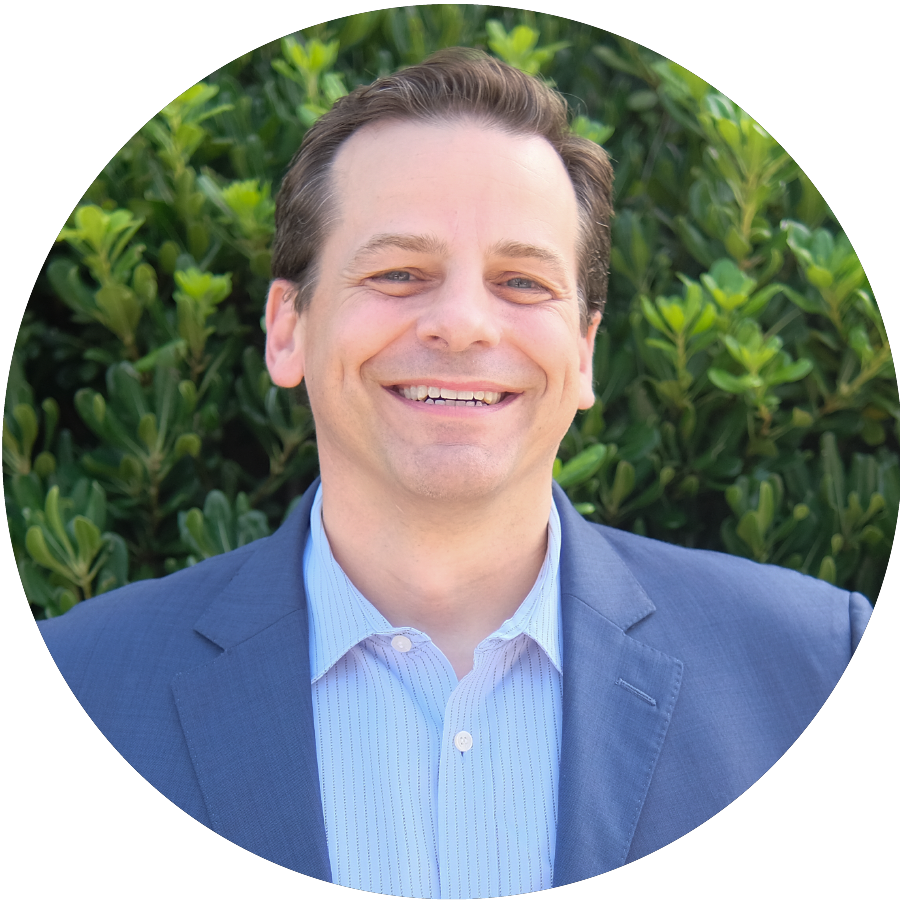
Adam Cole, MBA, is CEO and co-founder of Cole Health, a pediatric therapy organization providing speech, occupational, and physical therapy and ABA services across 24 locations in Texas, North Carolina, Washington State, and Washington, D.C. Adam joined the practice his wife, speech-language pathologist Jennifer Cole, opened in 2001, and has worked at Cole full time since 2004. He holds a B.S. in Computer Engineering from Clemson University and an MBA from the University of Texas at Austin. Adam is active in healthcare regulatory and legislative advocacy and consults with other providers on financial and operational performance. He leads with a growth mindset and a deep commitment to expanding access to care for children and their families.